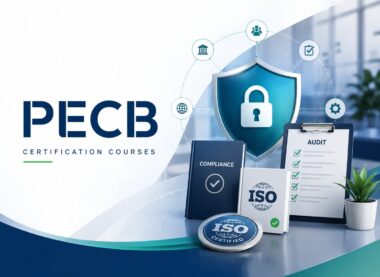
ISO/IEC 27002 Introduction Training
Develop practical ISO/IEC 27002 Introduction Training capability through four PECB-focused lessons with concise learning outcomes, exercises, validation, structured analysis, and operational handover.
-
 -by SkillDynamo
- 0 Students
- Last updated
Course Description
ISO/IEC 27002 Introduction Training develops practical capability to select, implement, manage, evaluate, and improve information security controls using ISO/IEC 27002 guidance. The learning path begins with introduction to iso 27002 purpose, structure, control attributes, themes, and governance and understanding organizational and people controls, roles, awareness, suppliers, and incidents, connecting requirements and principles with governance, evidence, stakeholder decisions, and measurable outcomes.
Applied work is framed around an organization protecting information across people, facilities, technology, suppliers, development, operations, and cloud services. Learners then progress through exploring physical and technological controls, identity, data, network, and development and readiness for control performance, testing, metrics, exceptions, review, and improvement, producing ISO 27002 control framework map, organizational and people control worksheet, physical and technology control evidence pack, and ISO 27002 control performance report.
By completion, participants can interpret the subject, perform the relevant workflows, evaluate evidence, communicate supported conclusions, and hand over actions with clear ownership, monitoring, and follow-up.
What You Will Learn
- Define ISO 27002 through securitycontrols-introductory-scope for accountable enterprise governance decisions.
- Connect risk treatment through securitycontrols-introductory-ownership for clear operational role ownership.
- Assess organizational controls through securitycontrols-introductory-priority before choosing proportionate treatment priorities.
- Validate supplier security through securitycontrols-introductory-evidence with documented review criteria evidence.
- Implement physical controls through securitycontrols-introductory-control using assigned operating roles consistently.
- Test network security through securitycontrols-introductory-scenario while recording scenario exceptions clearly.
- Review control testing through securitycontrols-introductory-assurance to identify corrective needs early.
- Finalize control improvement through securitycontrols-introductory-roadmap with named accountable improvement owners.
SkillDynamo Training Approach
The course family connects control purpose and attributes to risk treatment, implementation evidence, performance, governance, and continual improvement. Delivery includes instructor demonstrations, guided exercises, scenario analysis, validation checklists, structured troubleshooting, and a final improvement plan.
Curriculum
- 1 Section
- 4 Lessons
- 8 Hours
- Course Curriculum4 Items
- 1.1ISO/IEC 27002 Introduction Training — Lesson 1: Introduction to ISO 27002 Purpose, Structure, Control Attributes, Themes, and Governance2 hours
- 1.2ISO/IEC 27002 Introduction Training — Lesson 2: Understanding Organizational and People Controls, Roles, Awareness, Suppliers, and Incidents2 hours
- 1.3ISO/IEC 27002 Introduction Training — Lesson 3: Exploring Physical and Technological Controls, Identity, Data, Network, and Development2 hours
- 1.4ISO/IEC 27002 Introduction Training — Lesson 4: Readiness for Control Performance, Testing, Metrics, Exceptions, Review, and Improvement2 hours
SkillDynamo Expert Team
Instructor-led delivery tailored to ISO/IEC 27002 Introduction Training, with PECB and ISO-focused demonstrations, guided management, implementation, audit, foundation, introduction, or transition activities, scenario analysis, evidence review, validation checkpoints, and improvement guidance. The SkillDynamo Expert Team helps learners apply Introduction to ISO 27002 Purpose, Structure, Control Attributes, Themes, and Governance; Understanding Organizational and People Controls, Roles, Awareness, Suppliers, and Incidents; Exploring Physical and Technological Controls, Identity, Data, Network, and Development; Readiness for Control Performance, Testing, Metrics, Exceptions, Review, and Improvement in realistic governance, risk, security, continuity, food safety, environmental, service, compliance, medical-device, and assurance environments.
Student Reviews
No published reviews yet.
Log in with your student account to submit a review. Register using your email.